 Skip to content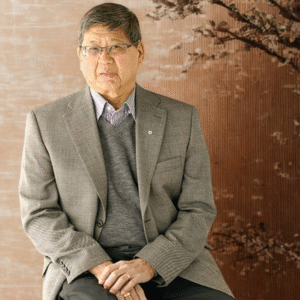
👶 Early Struggles
Born in 1936 in British Columbia, Art Miki’s childhood was shaped by one of Canada’s darkest chapters—the Japanese internment camps during World War II. His family, like thousands of Japanese Canadians, lost their home and livelihood and was forcibly relocated.
📚 Choosing Education as a Path Forward
Despite the hardship, Art believed in the power of learning. He earned his Bachelor’s degree in Education and a Master’s in Education Administration. He became a teacher, principal, and later, a professor—dedicating his career to helping young Canadians, especially immigrants, succeed through education.
✊ Becoming a Voice for Justice
Art Miki’s defining chapter came when he became president of the National Association of Japanese Canadians (NAJC) in the 1980s. At that time, many Japanese Canadians still lived with the wounds of discrimination and injustice from internment. Art decided it was time for Canada to make things right.
⚖️ The Fight for Redress
He led the national campaign for redress, negotiating tirelessly with the Canadian government. It wasn’t easy—there was political resistance, doubts, and setbacks. But Art and the NAJC refused to give up.
Finally, in 1988, Prime Minister Brian Mulroney signed the Japanese Canadian Redress Agreement—an official apology and compensation package for survivors. It was a landmark moment in Canadian history, one that recognized injustice and set a precedent for human rights advocacy.
🌍 Legacy & Impact
Art continued his work in education and community building, serving on boards, mentoring young leaders, and advocating for multiculturalism in Canada. His efforts transformed him from the child of an internment camp to one of Canada’s most respected voices for justice and equality.
🌟 Why His Story Inspires Us
- 🎓 He used education to rise above adversity.
- 🗣️ He turned personal pain into national advocacy.
- 🇨🇦 He reshaped Canada’s history, proving that one determined voice can spark change.
